
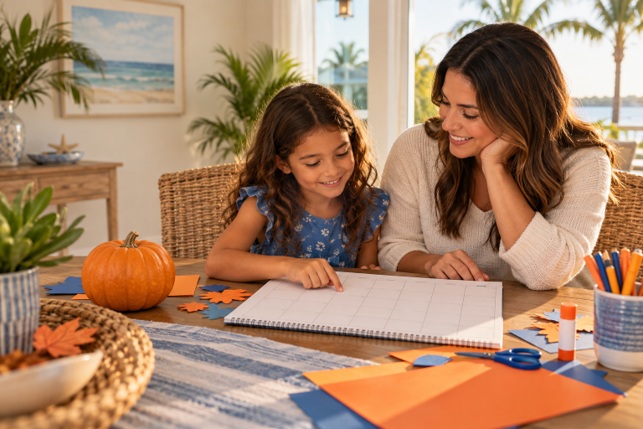
October brings school events, fall festivals, sports, costumes, family gatherings, and the first conversations about holiday plans. For many children, these occasions are exciting. For children moving between parents, caregivers, visitation settings, or multiple households, they can also add another layer of questions: Where will I be? Who will attend? What am I allowed to enjoy? Will the adults be upset?
Special events often carry meaning for adults, too. A familiar tradition may represent family identity, lost time, or an expectation about how a celebration should look. When adult emotions and complicated schedules meet, children can feel pressure even when no one intends to place it on them.
The goal is not to create a perfect calendar or identical traditions in every home. It is to help children participate without becoming responsible for adult communication, disappointment, or conflict.
Start With What The Child Experiences
Adults often begin with the schedule. Children may begin with different concerns. A younger child may want to know whether a costume can travel with them. A school-age child may worry about missing a classroom event. A teenager may be thinking about friends, activities, or whether attending one celebration will hurt someone else’s feelings.
Ask simple, open questions without turning the child into the decision-maker. “Is there anything about the fall festival you are wondering about?” creates room for the child to share. “Which parent do you want to go with?” may place the child in a loyalty conflict, especially when adults have not settled the plan.
A child’s preference can be important, but listening is different from assigning responsibility. Adults and appropriate professionals remain responsible for the decisions that belong to them.
Plan Early And Communicate Directly
Seasonal events can generate a surprising number of details: tickets, transportation, school forms, costumes, medication, arrival times, photographs, and changes to the usual schedule. Waiting until the last minute increases the chance that the child will become the messenger.
When communication is permitted, adults should use the method established for their family and keep messages brief, factual, and focused on the child’s immediate needs. Court orders, safety plans, and professional recommendations should be followed carefully.
Helpful planning questions may include:
- What is the confirmed date, time, and location?
- Who is responsible for transportation and needed items?
- Does the child need time to transition before or after the event?
- Are there safety, privacy, or communication requirements that apply?
- How will adults explain the plan to the child in a neutral way?
In Southwest Florida, school calendars, traffic, weather, and community events can all affect plans. A change may be unavoidable. Children benefit when adults explain it without blame: “The plan changed, and the adults are handling the details.”
Make Room For Different Traditions
Children do not need every household to celebrate in the same way. One home may attend a community festival; another may prefer a quiet craft, meal, or movie night. Different routines can coexist without asking the child to rank them.
Adults can reduce loyalty pressure by showing genuine permission for the child to enjoy safe experiences elsewhere. A response such as “I hope you have a good time” communicates that affection and enjoyment do not need to be hidden.
Avoid competing through gifts, activities, photographs, or promises. Children should not feel that a celebration is a test of love or that their reaction will be used to measure one adult against another.
Use Predictable Transition Routines
A special event may be fun and still leave a child tired, overstimulated, or emotional. Costumes, crowds, disrupted meals, later bedtimes, and transitions between settings can require extra regulation.
A familiar routine can help: pack one comfort item, review the schedule with a picture or simple sentence, keep the exchange calm, and allow a low-demand period afterward. Some children will want to talk immediately. Others may need a snack, movement, or quiet play before conversation develops naturally.
Unless there is a genuine safety concern, avoid a rapid series of questions after the event. Welcoming the child is different from asking the child to provide a report.
Protect Privacy During Public Events
School programs, sports, festivals, and community gatherings may bring adults into the same public space. Families should plan for appropriate boundaries before the event rather than expecting the child to manage an unexpected interaction.
Photography and social media deserve particular care. Adults should consider applicable orders, school policies, safety concerns, and the child’s privacy before posting names, locations, schedules, or images. A joyful moment does not need to become public to be meaningful.
When uncertainty exists, seek guidance from the appropriate legal or professional resource instead of asking the child to decide what is allowed.
When More Structure May Help
High conflict, safety concerns, long periods without contact, or strained parent-child relationships can make special occasions especially sensitive. In some situations, supervised visitation provides a neutral setting for contact with professional oversight. Therapeutic supervised visitation may add clinical support, such as helping a parent recognize a child’s cues, regulate the pace of an interaction, and practice healthier communication.
Professional services should remain within their defined scope. Observation, documentation, confidentiality, and communication with referral partners require care. A provider should not become an advocate for one adult or make decisions assigned to the court or another professional.
A Meaningful Occasion Does Not Need To Be Perfect
A forgotten item, a changed plan, or a difficult goodbye does not erase the value of a child’s experience. What matters most is the pattern adults create over time.
When adults communicate directly, respect boundaries, allow different traditions, and keep children free from loyalty pressure, special occasions can feel lighter. The child is able to focus less on protecting adults and more on participating in the moment.
At the Family Resource Center of Southwest Florida, we are committed to child-centered services grounded in quality, dignity, professionalism, and ethical care. Whether a family is participating in supervised visitation, therapeutic supervised visitation, parent coaching, or another supportive service, the purpose remains consistent: supporting family connection in ways that are as safe and healthy as possible.
Accompanying Social Media Post
Fall festivals, school events, sports, costumes, and family gatherings can bring excitement—and extra pressure—for children moving between households or visitation settings.
FRC’s October blog explores practical ways adults can help: planning early, keeping logistics between adults, allowing different traditions, protecting privacy, and giving children time to settle after busy events.
The goal is not a perfect calendar. It is a child who can enjoy meaningful moments without carrying adult conflict or feeling responsible for anyone’s disappointment.
CTA Read Helping Children Navigate Holidays and Special Events Across Households on the FRC website.